
A weird superpower
By Elizabeth Walker
PROMPT — What is Love?
The TA in Beth’s "Zionism and the State of Israel" seminar told her to go home. Looking her straight in the eye (definitely for the first time ever), the TA told her: “You can always finish school. You won’t get another chance to be with your mom. You must go.”
The TA knew a lot, but she didn’t know Beth or her mom.
Still, the urgency of her command told Beth that her teacher knew loss—like in a real and raw way. She knew enough about the universal human condition to know that Beth would forever regret staying away as her mom made her way out.
What the TA didn’t know about Beth was that at 19 years old, she pinned her identity to being nothing like her mom.
Her mother, Trish, was brilliant and she could get things done. She ran the other mothers: the bake sales, the room parents, the Girl Scouts, the neighborhood ladies organizing for more stop signs, or to stop bodegas from selling loosies to teenagers.
To adolescent Beth, her mother’s decision to leave her nursing career to dedicate herself to her family, and her ladies’ luncheons, and her room parents, and her tennis doubles games, and the button jewelry she sold at craft fairs was a betrayal not only to her potential, but to all women with brains and ambition everywhere.
Later, motherless, Beth would reflect on her life and understand that she was grounded and anchored by Trish’s love. She used it to light the flame that pushed her balloon higher and higher. While her mother was living, Beth never appreciated that she could only measure the distance she traveled, because Trish was her start line. Later, motherless, she would reflect that without a start line, she had no momentum and no sense of progress.
Three days before Trish left for good and nine days after Beth arrived back home, the teenage tinder box started sparking. In her madness (or what she later, motherless, understood as sadness), she feverishly searched Craigslist for a room to rent, a space to define her independence, proof that she was still moving forward and not back home merely a year after leaving.
Seeing her daughter frantic, Trish scooched over and made room for Beth on her hospital bed, a centerpiece in the family’s living room. She let her headstrong and naïve daughter explain how she felt suffocated and how she knew she’d feel better if she just found her own apartment. Trish held her daughter’s hand and replied, “It really sucks that your mother is dying.”
It really sucked.
Like Kubler-Ross foretold, Beth used to bargain with a god she never believed in. She would eat a worm a day for the rest of her life, if only Trish could come back for a little bit. She would dream that her mother was brushing out her knots, a daily routine she hated as a child, and then would encounter her reality on her way back to consciousness and wake with choking sobs. She ran, she went to Argentina with a one-way ticket, and found drugs and drinks and raged.
Eventually, and thankfully, Trish did come back. She gave Beth a weird superpower—invisibility when she wanted it and VIP access when she needed it.
It was about three years postmortem when Beth started to evoke the motherless-card to deflect more probing, deeper inquiries into who she is. Being motherless is both horrific and imaginable, making it the perfect catch-all for the darker imaginations of wannabe friends and lovers. It stopped efforts at deeper connection cold. Trish’s leaving gave Beth a ticket out of a human dance that always made her feel the opposite of belonging.
Sometimes, not often, Beth would use the ticket and instead of zooming her away to her island of comfortable isolation, she’d end up entering a very real club of human connection; the fraternity of the motherless.
To this day, so many years after Trish left, Beth can feel as close to a random motherless stranger as she does to her own brother. It’s like that rope that connected her to Trish frayed when she left, but the little strands branched out to connect to all the motherless souls needing a tether. Spread out, connecting them across a universe, all of their moms individually contributed only a few strands to the web, but there are so many moms who left, making the connecting rope among those who stayed strong. Beth never consciously looks for these connections, but finding them feels like a superpower nonetheless.
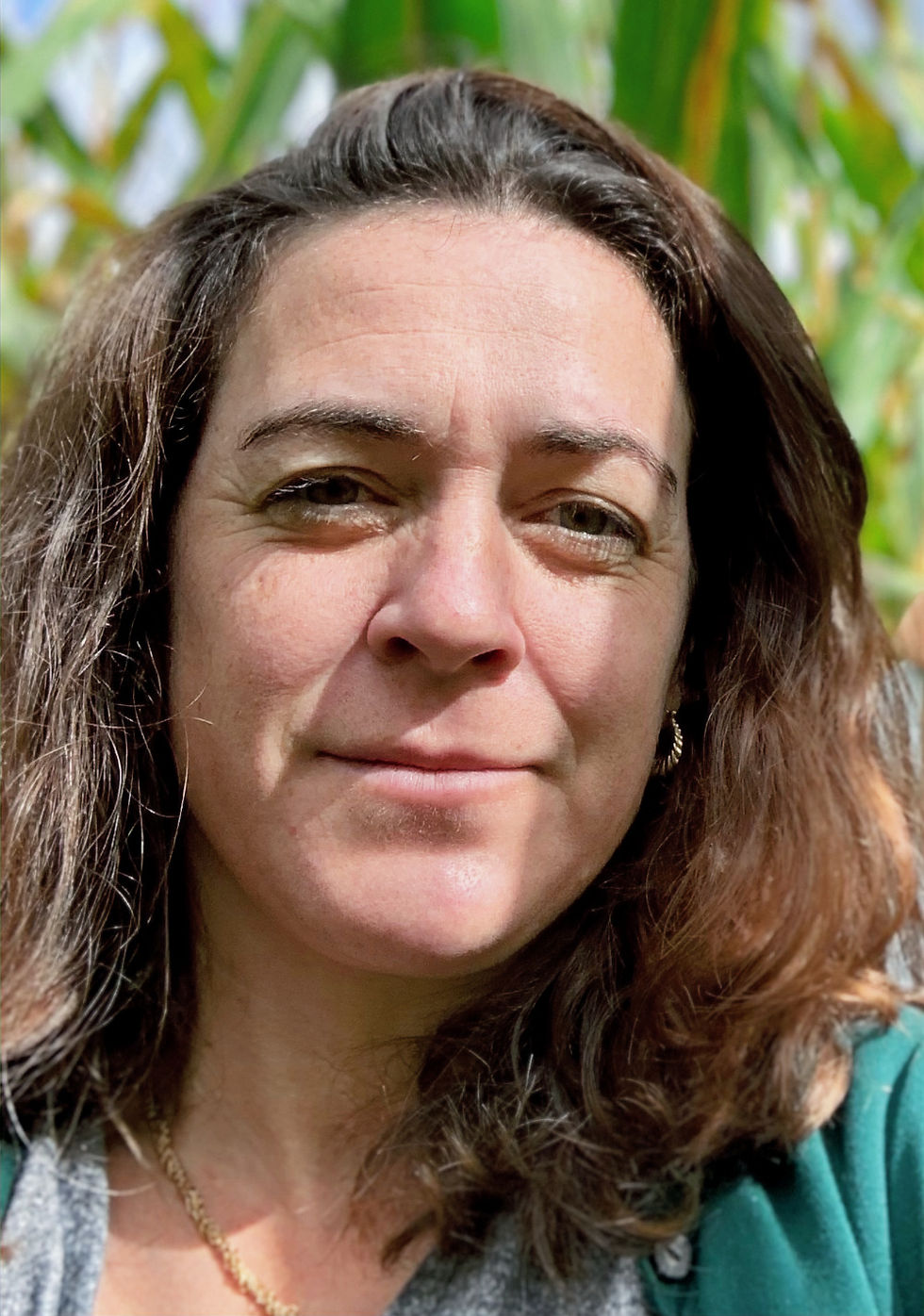
In Elizabeth Walker's professional life as a mitigation specialist, she writes the stories of the condemned. In private, she tries to write her story and those of the people she loves. Elizabeth writes from Great Barrington, MA.


