Tell Me Something I Don’t Know
Updated: Sep 9
By John A. Tures

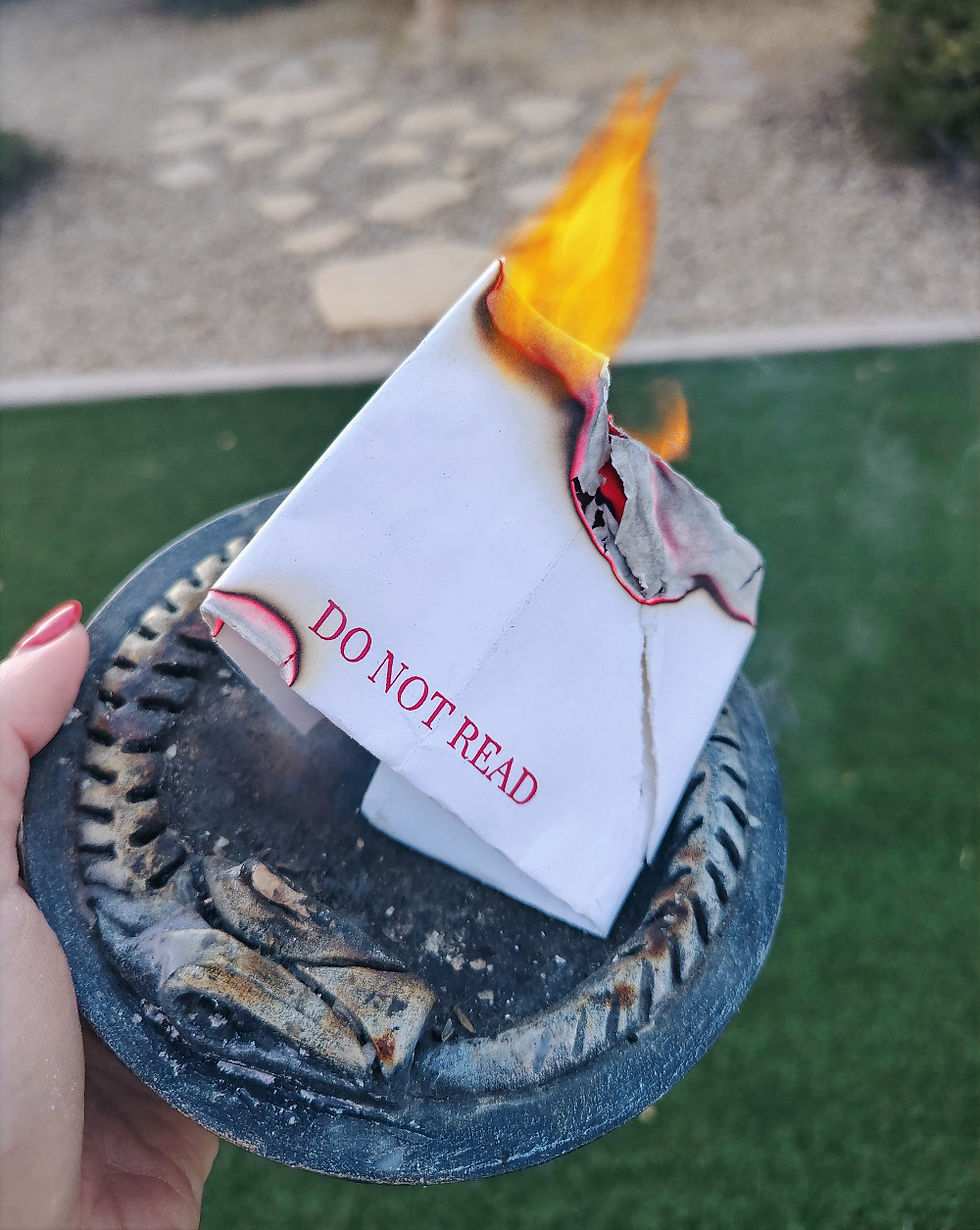
PROMPT—No one noticed ...
The student cleared her throat before beginning her speech. “My National History Day website presentation is about the landmark Supreme Court Case ‘Brown v. Board of Education of Topeka, Kansas.’"
I resisted the urge to roll my eyes at Dee’s practice run for NHD nationals. When you’ve judged these kinds of student project competitions for over 20 years, the Brown v. Board of Education case is the court decision you hear about the most.
As Dee continued her recitation of that landmark desegregation case to me, her mother, an attorney, sat dressed for court, pleased with her daughter’s performance. She acted as though she had won a multi-million-dollar verdict.
Grandma sat in a corner in one of the old plastic chairs, gazing out the window at something more interesting than what must be her tenth appearance at such a presentation, as forgotten as whoever Topeka’s attorney must have been after the 9-0 shellacking at the hands of Thurgood Marshall in that desegregation case.
I lost count of how many times I had come across a National History Day presentation on this subject. While it was being expertly delivered, I wasn’t hearing anything new.
Just once, I wanted to see something about the lengthy battle over the approval process. Heck, the county I lived in growing up dug in their heels and wouldn’t open up their education system until there was another court ruling almost two decades later.
Couldn’t someone cover that? Or maybe some bright student could check how the law was being applied today. The other day, I read that conservatives were using civil rights laws to strike down affirmative action. That would be an interesting take on the case. But no, it was one of those cookie-cutter presentations.
Dee finished and turned toward me, as did her mother, expecting the same sort of triumphant verdicts, like the one Chief Justice Earl Warren must have delivered in the 1950s. But I just couldn’t this time.
“Tell me something I don’t know,” I stated.
Dee’s eyes widened. The attorney-turned-mother frowned. I noticed that Grandma gave me a sideways glance, before returning to her sentinel’s observation of the outdoors beyond the library where the NHD practice for nationals was being held.
Slightly rattled, Dee began to reread her conclusion, as though I hadn’t heard it already. I hated to employ the next step, but this student wasn’t going to win at nationals with this solid but somewhat vanilla project.
“Tell me something I don’t know,” I interjected, saying the words more slowly this time.
Dee froze, clearly rattled. No teacher had probably spoken to this outstanding African-American student, likely the valedictorian at Ronald McNair High School.
“B-but what do you want, Mr. Bryan?”
Mom rushed to Dee’s defense. “Well, what else do you expect us to cover about this case?”
There was an awkward silence.
A shrill voice from the back shattered the silence. “We didn’t want it!”
Every eye in the room swung to the back.
“Grandma Lilith!” Dee cried out.
“Mom!” the attorney yelled.
Both looked at me, but as the judge, I decided to let the old woman give her testimony.
“That ruling meant integration,” she snapped. “It meant trouble. They would come to our school, and some of us would have to go to their schools. We worried about fights and cops coming to break it up and arrest people, and our people would be blamed for starting it. One year, the Klan burned our gym so there wouldn’t be an integrated prom.”
Grandma Lilith paused, allowing everyone to soak it in before continuing. “Later we got used to it, talked in class, and learned we weren’t so different. Both groups began to get along. We got better funds, better teachers, and better attitudes toward the whole thing. We’re happy now, but we weren’t at first. We had to learn to get along too, and grow to accept, even enjoy integration.”
Grandma had been right there, all along, a perfect source, yet untapped by the well-meaning mother and daughter. Telling her story, and those of her friends she played cards with, might make the difference in D.C. at nationals, a big win for Dee.
“And that’s something I didn’t know,” I added as all returned their gazes to me.
Dr. John A. Tures began writing for the El Paso Herald-Post in high school and is now a LaGrange College Professor. He writes columns for newspapers and magazines and publishes short stories. His book Branded about dark academia, corporate wrongdoing and media manipulation, has been published by Huntsville Independent Press. His author site is here. John writes from LaGrange, Texas.